Back to Blog
General
Winter Electrical Safety Checklist: Is Your Sheboygan Home Protected?
Couillard Electric
0 views
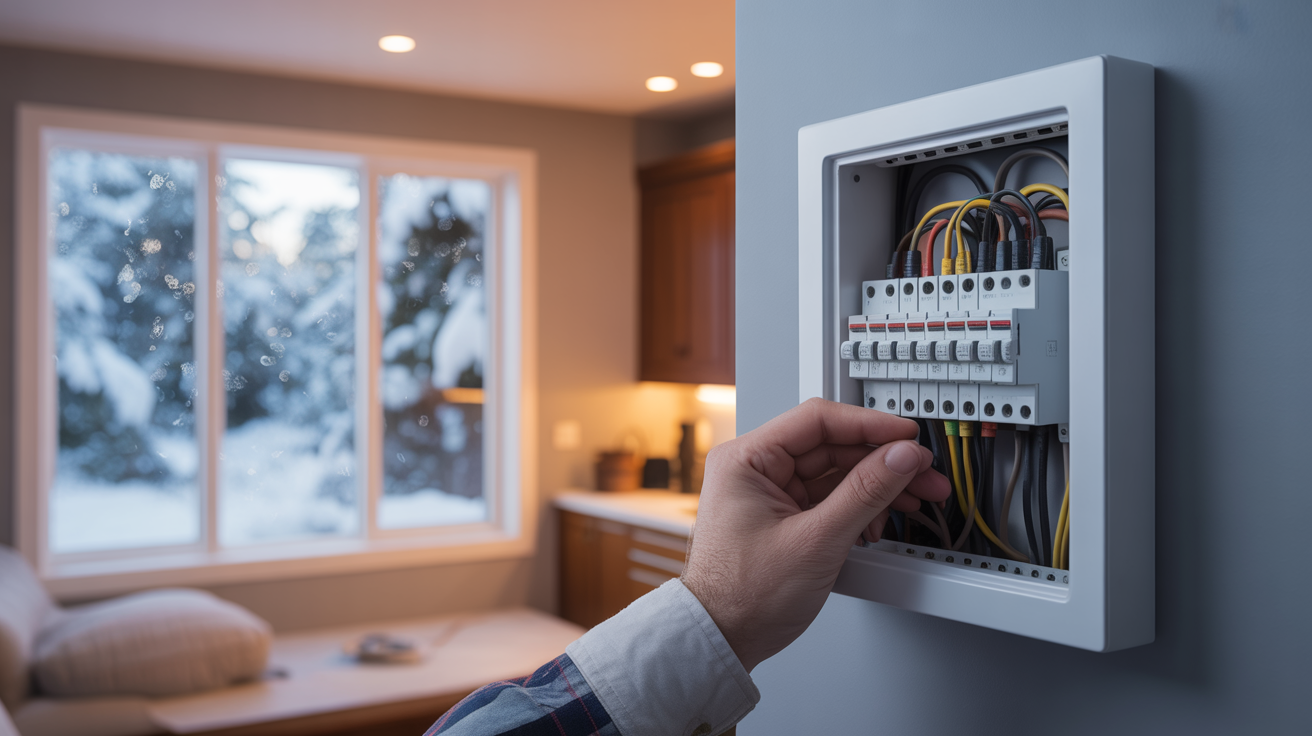
As Wisconsin's winter continues, your home's electrical system works harder than ever. From space heaters to holiday lights still running, the demands on your circuits increase significantly. Use this comprehensive checklist to ensure your Sheboygan County home stays safe and powered all winter long.
# Winter Electrical Safety Checklist: Is Your Sheboygan Home Protected?
**Meta Description:** Protect your Sheboygan home this winter with our electrical safety checklist. Learn about space heater safety, circuit protection, and GFCI outlets from licensed electricians.
**Excerpt:** As Wisconsin's winter continues, your home's electrical system works harder than ever. From space heaters to holiday lights still running, the demands on your circuits increase significantly. Use this comprehensive checklist to ensure your Sheboygan County home stays safe and powered all winter long.
---
Late January in Sheboygan County means we're in the thick of Wisconsin winter. The temperatures have been consistently cold, Lake Michigan's winds are biting, and your home's electrical system has been working overtime for weeks. Between space heaters running in chilly rooms, increased indoor lighting during shorter days, and all the appliances we rely on when we're spending more time indoors, your electrical system faces demands it doesn't see during other seasons.
This is the perfect time for a mid-winter electrical safety check. Many electrical fires and hazards develop gradually over the winter months as systems are pushed to their limits. By taking action now, you can prevent dangerous situations and ensure your family stays safe and comfortable through the rest of winter.
## Space Heater Safety: Wisconsin's #1 Winter Fire Hazard
Space heaters are a common sight in Wisconsin homes during winter, providing supplemental warmth to cold rooms or allowing you to turn down the thermostat in unused areas. However, they're also the leading cause of home heating fires, accounting for more than 40% of heating-related fires according to the National Fire Protection Association.
### Choosing the Right Space Heater
Not all space heaters are created equal, and selecting the right one is your first line of defense against electrical hazards:
- **Look for automatic shut-off features**: Modern space heaters should have tip-over protection and overheat sensors that automatically turn the unit off if it falls or gets too hot.
- **Match wattage to your circuits**: Most household circuits are 15 or 20 amps. A 1,500-watt space heater draws about 12.5 amps, leaving little room for other devices on the same circuit.
- **Verify UL certification**: Always choose space heaters that have been tested and certified by Underwriters Laboratories (UL) or a similar recognized testing organization.
### Safe Space Heater Placement and Use
Even the safest space heater becomes a hazard when used improperly:
- **Maintain the 3-foot clearance rule**: Keep space heaters at least three feet away from anything that can burn, including curtains, furniture, bedding, and papers.
- **Never use extension cords**: Space heaters should always be plugged directly into wall outlets. Extension cords can overheat and cause fires, especially with high-wattage appliances.
- **Consider dedicated circuits**: If you regularly use space heaters, talk to a licensed electrician about installing dedicated circuits for them. This prevents overloading and reduces fire risk.
- **Never leave unattended**: Turn off space heaters when you leave the room or go to sleep. No exceptions.
## Preventing Overloaded Circuits During Winter Months
Winter puts unique stress on your home's electrical system. You're running more appliances simultaneously than during any other season, and many of those appliances—like space heaters, electric blankets, and heated garage equipment—draw significant power.
### Signs Your Circuits Are Overloaded
Learn to recognize these warning signs that your electrical system is struggling:
- **Flickering or dimming lights**: If lights dim when you turn on an appliance, that circuit is likely overloaded.
- **Warm outlets or switch plates**: Outlets and switches should never feel warm to the touch. This indicates dangerous overheating.
- **Frequently tripping breakers**: While breakers are designed to trip as a safety measure, frequent tripping means you're consistently overloading that circuit.
- **Burning smell**: Any burning or unusual odor from outlets, switches, or your electrical panel requires immediate attention from a licensed electrician.
### How to Distribute Your Electrical Load
Understanding how to manage your electrical load can prevent dangerous situations:
- **Know your circuit capacity**: Most household circuits can safely handle 80% of their rated capacity for continuous loads. For a 15-amp circuit, that's about 1,440 watts; for a 20-amp circuit, about 1,920 watts.
- **Rotate high-demand appliances**: Don't run multiple high-wattage appliances on the same circuit simultaneously. For example, if you're using a space heater in your home office, don't run a vacuum cleaner on the same circuit.
- **Identify which outlets share circuits**: Many homeowners don't know which outlets are on the same circuit. A licensed electrician can map your circuits and help you distribute loads safely.
- **Consider a panel upgrade**: If you're constantly managing loads to avoid tripping breakers, your home may need an electrical panel upgrade. This is especially common in older Sheboygan homes that were built before modern electrical demands.
## GFCI Protection: Essential for Wisconsin's Wet Winter Conditions
Ground Fault Circuit Interrupter (GFCI) outlets are critical safety devices, and they're especially important during Wisconsin winters when snow, ice, and moisture create additional electrical hazards.
### Why GFCIs Matter in Winter
GFCIs detect imbalances in electrical current and shut off power in milliseconds, preventing potentially fatal electric shocks. Winter conditions make GFCI protection even more crucial:
- **Snow and ice tracking**: We inevitably track moisture into our homes during winter, increasing the risk of water contact with electrical outlets.
- **Garage and outdoor use**: Using power tools in garages or outdoor outlets during winter means working in damp conditions where GFCI protection is essential.
- **Bathroom and kitchen safety**: Steam from hot showers and cooking increases humidity, making GFCI protection in these areas critical.
Wisconsin electrical code requires GFCI protection in bathrooms, kitchens, garages, unfinished basements, crawl spaces, and all outdoor outlets. If your Sheboygan home was built before these requirements, you may not have adequate GFCI protection.
### Testing Your GFCI Outlets
GFCI outlets should be tested monthly to ensure they're functioning properly:
1. Press the "TEST" button on the GFCI outlet. You should hear a click, and power to the outlet should stop.
2. Verify that power is off by plugging in a small lamp or device.
3. Press the "RESET" button. Power should be restored.
If your GFCI won't reset, trips repeatedly, or doesn't cut power when you press "TEST," it needs to be replaced by a licensed electrician. GFCI outlets don't last forever—they typically need replacement every 10-15 years.
## Critical Winter Safety Device Checks
Two devices in your home work silently to protect your family from invisible dangers. Winter is the perfect time to ensure they're functioning properly.
### Smoke Detector Maintenance
Smoke detectors are your first line of defense against fire, and winter heating equipment increases fire risk:
- **Test monthly**: Press the test button on each smoke detector to ensure it sounds. If it doesn't, replace the batteries or the entire unit.
- **Replace batteries annually**: If your smoke detectors use replaceable batteries, change them at least once a year. Many people do this when they change their clocks in spring.
- **Know your detector's age**: Smoke detectors should be replaced every 10 years. Check the manufacture date on the back of each unit.
- **Proper placement**: Wisconsin requires smoke detectors in every bedroom, outside each sleeping area, and on every level of the home including the basement.
### Carbon Monoxide Detector Importance
Carbon monoxide (CO) is an odorless, colorless gas that can be deadly. Winter increases CO risk because we're running furnaces, fireplaces, and other fuel-burning appliances more frequently, and our homes are sealed tight against the cold.
- **Why CO risk increases in winter**: Furnaces, water heaters, and other fuel-burning appliances can malfunction or vent improperly. Running vehicles in attached garages (even briefly) can allow CO to enter your home.
- **Testing and battery replacement**: Like smoke detectors, CO detectors should be tested monthly and have batteries replaced annually.
- **Required locations**: Wisconsin law requires CO detectors within 10 feet of each bedroom. If you have fuel-burning appliances or an attached garage, this isn't optional—it's the law and could save your life.
If your CO detector sounds, get everyone outside immediately and call 911. Don't re-enter your home until emergency responders have determined it's safe.
## When to Call a Licensed Sheboygan Electrician
Some electrical issues require professional expertise. Don't hesitate to call a licensed electrician if you notice:
- Outlets or switches that are warm to the touch
- Frequent breaker trips, even after reducing electrical load
- Flickering lights throughout your home
- Burning smells from outlets, switches, or your electrical panel
- Sparks when plugging in or unplugging devices
- Outlets that don't hold plugs firmly
- Any GFCI or AFCI device that won't reset
- Lights that dim when appliances turn on
Beyond addressing specific problems, a professional electrical safety inspection can identify potential hazards before they become dangerous. At Couillard Electric, our licensed electricians can:
- Inspect your electrical panel for signs of wear or overloading
- Test all GFCI and AFCI devices throughout your home
- Check for proper grounding and bonding
- Identify circuits that are overloaded or improperly wired
- Recommend upgrades to improve safety and capacity
- Ensure your home meets current Wisconsin electrical codes
We serve Sheboygan, Kohler, Plymouth, and surrounding communities throughout Sheboygan County, and we're available for emergency electrical services when you need us most.
## Protect Your Home This Winter
Your electrical system is the backbone of your home's comfort and safety, especially during Wisconsin winters. By following this mid-winter safety checklist, you can identify potential hazards before they become dangerous and ensure your family stays safe and warm.
Remember, electrical work isn't a DIY project. Wisconsin requires electrical work to be performed by licensed electricians for good reason—improper electrical work can be deadly. Whether you need a safety inspection, panel upgrade, or emergency electrical service, Couillard Electric is here to help.
**Ready to ensure your home's electrical safety this winter?** Contact Couillard Electric today to schedule your winter electrical safety inspection. Our licensed, experienced electricians serve Sheboygan County with the professionalism and expertise you deserve. Call us or visit our website to schedule your appointment—because your family's safety is worth it.
Need Electrical Services?
Couillard Electric serves Sheboygan County and surrounding areas with professional electrical services. Contact us today for a free estimate.